



Eclipse 500
Eclipse 500 price: listing-based estimates for the 17 on Radar run from $700K to $1.9M, with a middle of $1.3M.
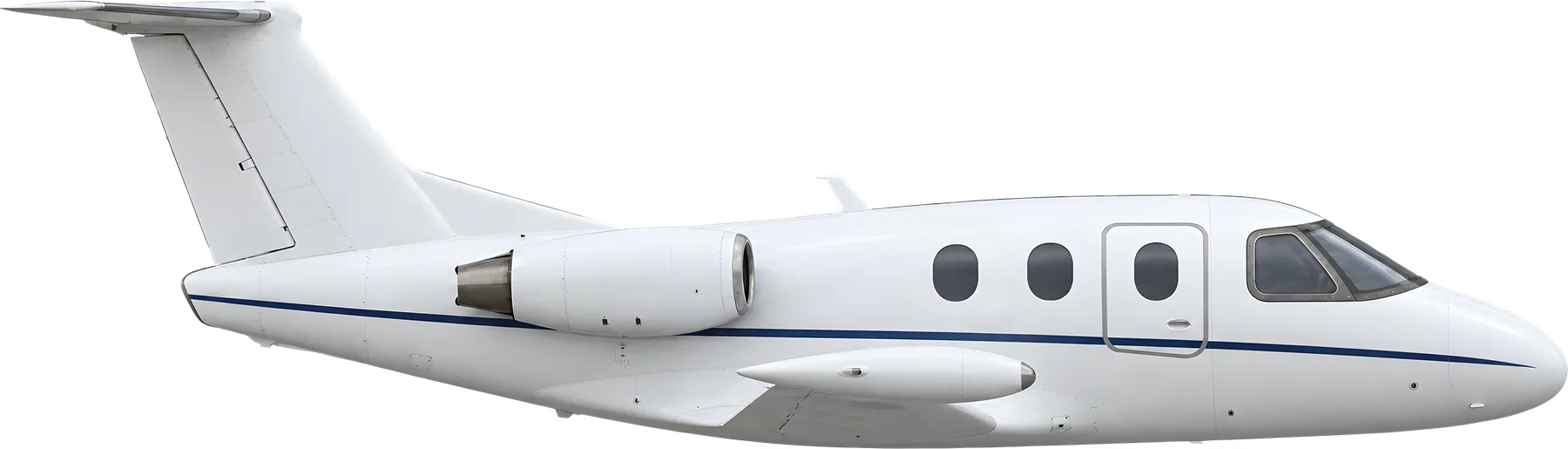
- Range
- 1,125 nm
- Cruise speed
- 370 ktas
- Ceiling
- 41,000 ft
- Passengers
- Up to 5
- Cabin height
- 4 ft 2 in
1,295 statute miles
426 mph
Maximum certified altitude
Most published; many cabins seat fewer
4 ft 8 in wide, 12 ft 4 in long
25 on the US register, built 2007 to 2008. Figures as of October 2026. Class: Very light jets.
Price and value
Eclipse 500 price: $700K to $1.9M by build year
- What it costs to fly and own (per hour, per year): Eclipse 500 operating costs
Interior
Inside the Eclipse 500
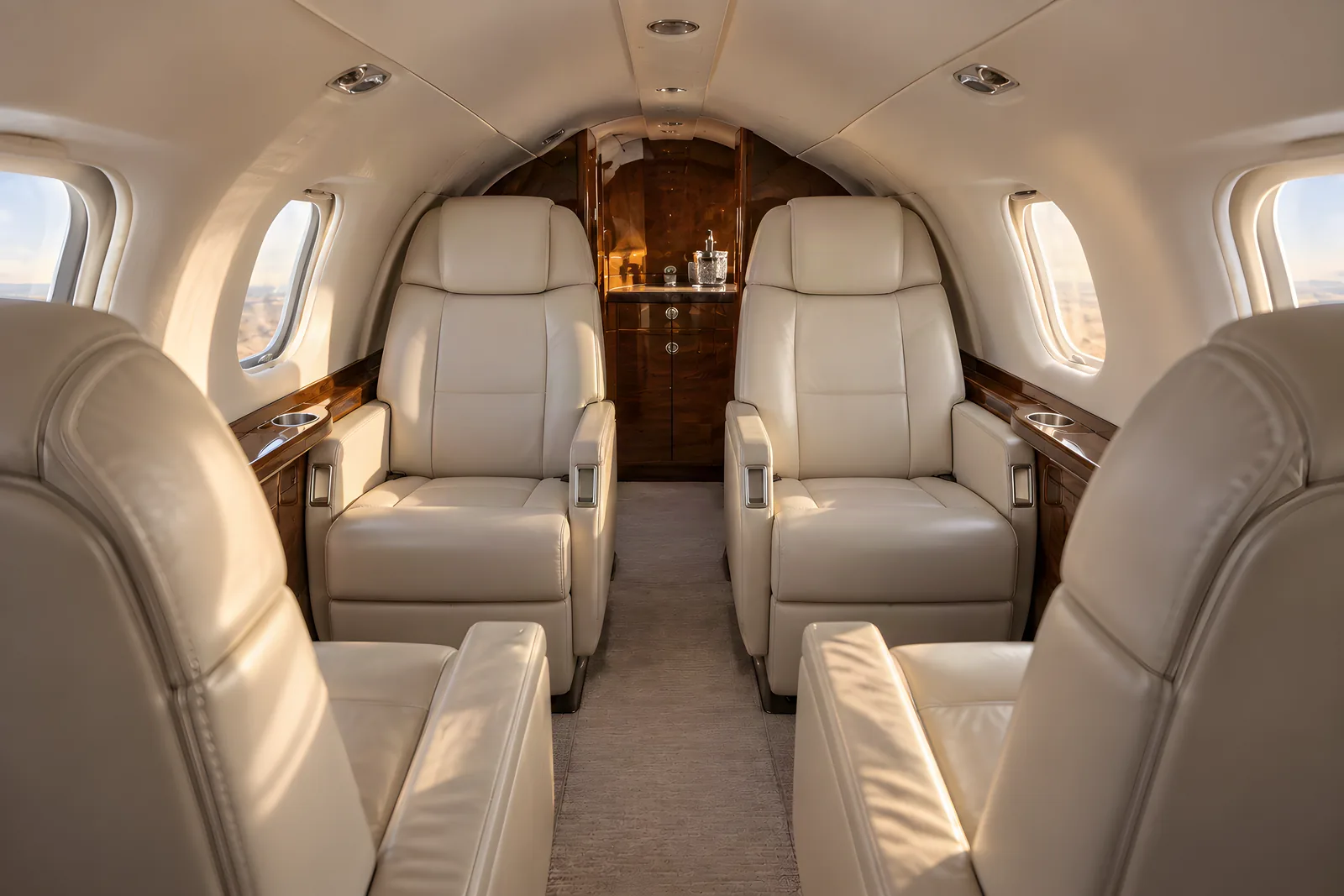
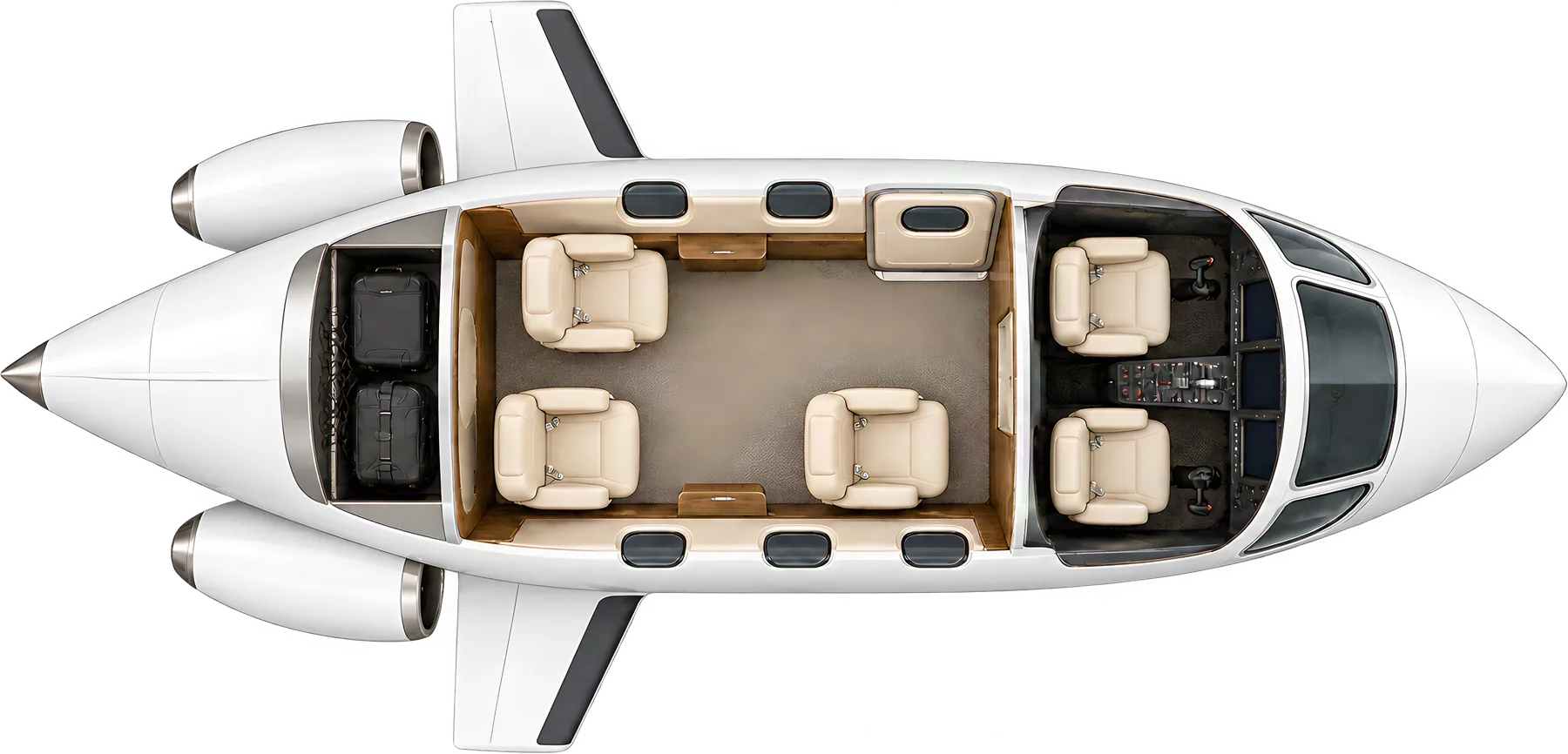
Specs
As published
- Passengers
- Up to 5
- Range
- 1,125 nm (1,295 mi)
- High-speed cruise
- 370 ktas (426 mph)
- Maximum operating Mach
- Mach 0.58
- Ceiling
- 41,000 ft
- Engines
- 2 × Pratt & Whitney Canada PW610F-A
- Thrust
- 900 lbf each
- Usable fuel
- 251 US gal
- Cabin height
- 4 ft 2 in
- Cabin width
- 4 ft 8 in
- Cabin length
- 12 ft 4 in
Range
Where a Eclipse 500 goes nonstop
Dallas to Aspen
618 nm
Nonstop
About $25,900 one way on CRAFT's Challenger 350
See routeNew York to Palm Beach
902 nm
Nonstop
About $31,100 one way on CRAFT's Challenger 350
See routeChicago to Miami
1,023 nm
Nonstop on a good day
About $34,700 one way on CRAFT's Challenger 350
See routeNew York to Los Angeles
2,129 nm
Fuel stop
About $68,000 one way on CRAFT's Challenger 350
See routeLos Angeles to Honolulu
2,217 nm
Fuel stop
About $65,000–$71,000 one way on a super-midsize jet
See route
Charter
Flying instead of buying a Eclipse 500?
CRAFT flies super-midsize Challengers at a fixed hourly rate. Tell us the trip and get a firm price.
Text us and you'll get a reply within 60 seconds, any hour.
Tail numbers
25 Eclipse 500s on the US register
| Registration | Built | Serial | Model | Registered owner |
|---|---|---|---|---|
| N100VA | 2008 | 000138 | Eclipse 500 | Valiair Limited Co Trustee |
| N105LB | 2008 | 000118 | Eclipse 500 | BHK LLC |
| N112EJ | 2008 | 000112 | Eclipse 500 | Dora Aviation Co Llc |
| N113EA | 2008 | 000152 | Eclipse 500 | N113EA Inc |
| N117UH | 2008 | 000117 | Eclipse 500 | U-Haul Co of Oregon |
| N121G | 2008 | 000243 | Eclipse 500 | CCS Aero LLC |
| N125DE | 2008 | 000193 | Eclipse 500 | Innovation Transportation Inc |
| N136EA | 2008 | 000136 | Eclipse 500 | Tak Aviation LLC |
| N141EA | 2008 | 000223 | Eclipse 500 | Qualitair LLC Trustee |
| N148LG | 2008 | 000148 | Eclipse 500 | Acmeair LLC |
| N149EA | 2008 | 000149 | Eclipse 500 | Pryor Mountain Aviation LLC |
| N170EA | 2008 | 000170 | Eclipse 500 | |
| N187EA | 2008 | 000187 | Eclipse 500 | |
| N197AR | 2008 | 000114 | Eclipse 500 | Tak Aviation LLC |
| N202EA | 2008 | 000202 | Eclipse 500 | Sierra Tango LLC |
| N207EA | 2008 | 000207 | Eclipse 500 | |
| N207TB | 2008 | 000179 | Eclipse 500 | |
| N1948W | 2008 | 000219 | Eclipse 500 | Airwolf Aircraft Holdings LLC |
| N112EA | 2007 | 000038 | Eclipse 500 | Southern Aircraft Consultancy Inc Trustee |
| N113JD | 2007 | 000081 | Eclipse 500 | Albert Hall Company LLC |
| N117EA | 2007 | 000104 | Eclipse 500 | Cordite Inc Trustee |
| N124KK | 2007 | 000034 | Eclipse 500 | OX25EED LLC |
| N136TE | 2007 | 000036 | Eclipse 500 | BMB Partners LLC |
| N179TD | 2007 | 000074 | Eclipse 500 | Elm Grove Pipeline LLC |
| N1150E | 2007 | 000005 | Eclipse 500 | Bakko Aviation LLC |
Airworthiness directives
9 FAA ADs name the Eclipse 500
- AD 2013-16-04 This AD was prompted by a report of potential aircraft hardware failure in the autopilot control panel and the center switch panel.
- AD 2011-06-06 This AD was prompted by several incidents of engine surge.
- AD 2010-20-24 We are issuing this AD to correct faulty integration of hardware and software, which could result in unannunciated, uncommanded changes in communications radio frequency, transponder codes, and altitude preselect settings.
- AD 2008-24-07 We are issuing this AD to prevent hard carbon buildup on the static vane, which could result in engine surges.
More from Eclipse
FAQ
Eclipse 500 questions
How much does an Eclipse 500 cost?
Listing-based estimates for the 17 Eclipse 500s on Radar run from about $700K to $1.9M, with a middle estimate of $1.3M. They are rough estimates from public listings and market reports, not appraisals.
What affects the price of an Eclipse 500?
What moves the price of any one Eclipse 500: total time and engine time, engine program enrollment, damage history, avionics and equipment, and complete logbooks. Build year sets the baseline; a Eclipse 500 with high hours, an engine near overhaul or gaps in its records sells below it, and one with low time, recent inspections and full records above it.
What are the Eclipse 500's specs?
As published: up to 5 passengers, a range of 1,125 nm (1,295 statute miles), a high-speed cruise of 370 ktas (426 mph), a ceiling of 41,000 ft, a cabin 4 ft 2 in high, 4 ft 8 in wide and 2 × Pratt & Whitney Canada PW610F-A engines. A given aircraft varies with its completion, weight and modifications.
How far can an Eclipse 500 fly?
The Eclipse 500's published range is 1,125 nautical miles (1,295 statute miles), with nBAA IFR, 100 nm alternate, 4 occupants (200 lb pilot + three 170 lb passengers). Winds, payload, cruise speed and the reserves a flight carries change what a given trip can do.
Can an Eclipse 500 cross the Atlantic?
Not nonstop between New York and London: that is about 2,986 nm, against a published range of 1,125 nm. Aircraft with less range than the crossing make it in legs, with fuel stops in Canada, Greenland and Iceland.
Can an Eclipse 500 fly to Hawaii?
Not nonstop. Los Angeles to Honolulu is about 2,217 nm over open water, more than the Eclipse 500's published range of 1,125 nm.
How fast is the Eclipse 500?
The Eclipse 500 cruises at up to 370 knots true airspeed (about 426 mph), and its maximum operating Mach number is 0.58, as published.
How high can an Eclipse 500 fly?
The Eclipse 500 is certified to 41,000 feet. Heavy aircraft climb there in steps as they burn fuel.
How many passengers does an Eclipse 500 seat?
Up to 5 passengers, the most the type is published for. Many aircraft are completed with fewer, larger seats, so a given Eclipse 500 may seat fewer.
How big is the Eclipse 500 cabin?
4 ft 2 in high and 4 ft 8 in wide, 12 ft 4 in long, as published.
Data: Radar, FAA aircraft registry file of 2026-10-09.
Records & AD tracking by Radar
Own, buy or finance a Eclipse 500? Radar reads every logbook, tracks every airworthiness directive and shows what the records do to value.
The fleet, registry and value data on these pages come from Radar, CRAFT's sister company.