Ownership
Wet lease vs dry lease aircraft: the FAA rules explained
Wet lease vs dry lease for aircraft: FAA definitions, who has operational control, the 14 CFR 91.23 truth-in-leasing rules, why a wet lease without a certificate is an illegal charter, and the legal alternatives.
 Israel SlodowitzFounder & CEOUpdated October 11, 2026 · Published May 19, 2023 · 6 min read
The short answer: a dry lease gives you an aircraft without crew. You hire the pilots, take operational control and fly under Part 91. A wet lease gives you the aircraft and at least one crewmember, so the lessor stays in control of the flight. Providing a wet-leased aircraft for compensation is air transportation, and it needs an FAA certificate such as Part 135. A "dry lease" that really supplies both aircraft and pilots is what the FAA calls a wet lease in disguise, and the flights may be illegal charters.
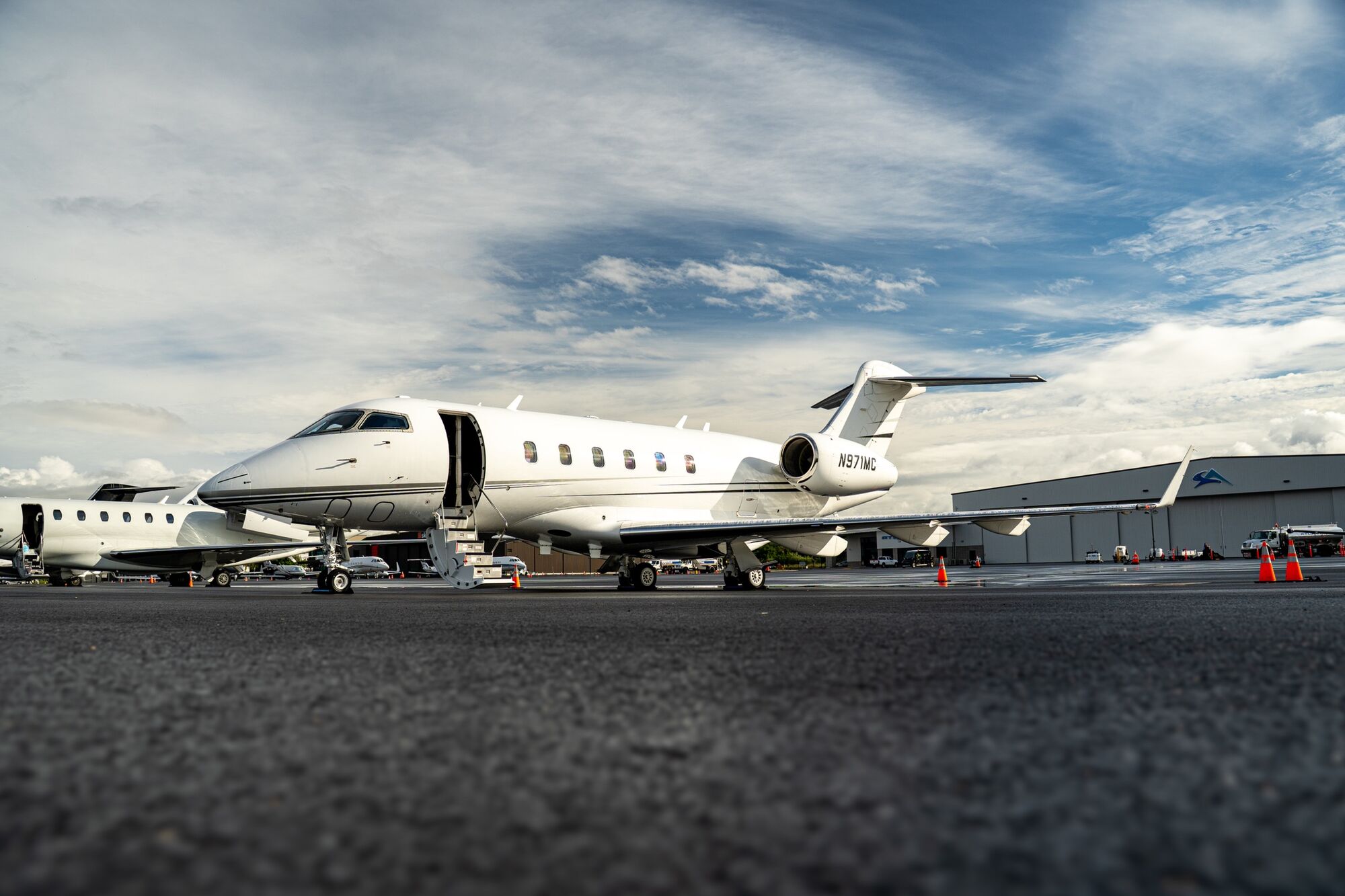
CRAFT operates Challenger 300s and 350s under its own Part 135 certificate, including aircraft owned by others through leaseback. Who holds operational control, and on whose certificate, is something we deal with on every flight. This guide sets out the rules with the FAA's own sources.
Wet lease vs dry lease at a glance
| Dry lease | Wet lease | |
|---|---|---|
| What you get | The aircraft only | The aircraft and at least one crewmember |
| FAA definition | "An aircraft leased with no crew" (FAA Safe Air Charter) | "An entire aircraft and at least one crewmember" (14 CFR 1.1) |
| Operational control | The lessee | The lessor |
| Who provides pilots | The lessee hires its own | The lessor |
| Rules the flights follow | Part 91, for the lessee's own purposes | The lessor's certificate (Part 135 or 121) |
| Who may offer it for compensation | Any owner, with a compliant lease | Only a certificated air carrier |
| Paperwork for large aircraft | Truth-in-leasing clause and FAA filings (14 CFR 91.23) | Covered by the carrier's certificate |
| Main risk | Taking on the legal responsibility for the flights | Illegal charter if the lessor isn't certificated |
Operational control: the idea everything hangs on
The FAA defines operational control as the exercise of authority over initiating, conducting or terminating a flight. Whoever holds it is responsible for the flight: that the aircraft is airworthy, the pilots are qualified and current, and the flight complies with the rules.
In a dry lease, the lessee holds operational control. In a wet lease, the lessor does. That one fact decides which rules apply. The FAA's Advisory Circular 91-37B, Truth in Leasing (February 10, 2016) exists to make sure lessees understand what operational control means before they sign, and don't enter agreements where it isn't clear who has it.
Dry leases under Part 91
A genuine dry lease is a normal and legal way to use an aircraft you don't own. The lessee:
- hires pilots who are qualified and current for the aircraft,
- holds operational control and the legal responsibility for each flight,
- flies under Part 91 for its own business or personal purposes, and
- carries the insurance and liability that go with it.
The owner (lessor) typically keeps the aircraft maintained and insured as the lease specifies, but doesn't fly the lessee's trips or supply its crew.
Truth-in-leasing: 14 CFR 91.23
For large civil aircraft (over 12,500 lb maximum takeoff weight, which includes most business jets), 14 CFR 91.23 adds four requirements:
- A truth-in-leasing clause in large print as the concluding paragraph, just above the signatures. It must state the regulations the aircraft was maintained and inspected under for the previous 12 months, certify its compliance status for the intended operation, and give the name, address and signature of the person responsible for operational control.
- A copy to the FAA within 24 hours of signing, mailed to the Aircraft Registration Branch in Oklahoma City (Attn: Technical Section).
- A copy carried in the aircraft, available to the FAA on request.
- Notice to the responsible Flight Standards office at least 48 hours before the first flight under the lease, by telephone or in person, giving the departure airport, departure time and registration number.
The rule doesn't apply, among other exceptions, when the lessee is a Part 121, 125, 135 or 141 certificate holder, which is why an owner's lease of an aircraft to a charter operator in a leaseback is handled differently from a lease to a private user.
Wet leases, and when they become illegal charter
The FAA defines a wet lease as any leasing arrangement in which a person agrees to provide an entire aircraft and at least one crewmember. Supplying an aircraft with crew to someone who pays for it is air transportation for compensation. To do that legally, the provider needs an FAA certificate for the operation, such as Part 135 for on-demand charter.
Airlines do this routinely: one carrier wet leases aircraft and crew to another under their certificates (often called ACMI, for aircraft, crew, maintenance and insurance). In private aviation, the legal version of a wet lease is simply charter from a Part 135 operator.
The sham dry lease
The FAA's Safe Air Charter guidance warns about the "sham dry lease", or "wet lease in disguise": parties acting together to provide both the aircraft and a pilot, for example through two separate contracts, one for the aircraft and one for the crew. If the lessee doesn't actually have operational control as described in AC 91-37B, the FAA says the flights may be illegal charters.
The signs are familiar: the "lessor" or someone connected to it recommends or arranges the pilots, the lessee never really decides whether a flight goes, and the price looks like a charter price per trip rather than a lease. The FAA takes it seriously. In January 2023 it proposed a $1,037,478 civil penalty against an operator for allegedly conducting 78 charter flights without the proper certificate or qualified pilots.
For passengers, the risk is practical, not just legal: an illegal charter may not meet Part 135 pilot, maintenance and rest standards, and insurance may not respond. Our guide to illegal private jet charter covers how to spot one, and Part 91 vs Part 135 explains the rules the flights should be under.
Legal ways to share an aircraft and its costs
If the goal is to use an aircraft you don't own, or to recover some of the cost of one you do, there are legal routes:
- Charter from a certificated operator. The operator holds operational control under Part 135 and you pay for the trip. Price a CRAFT charter.
- A jet card. Prepaid hours at set rates. The Fleet Jet Card flies CRAFT's own Challengers under our Part 135 certificate.
- Time sharing, interchange and joint ownership. For large airplanes and turbojet-powered multi-engine airplanes, 14 CFR 91.501 lets an operator lease an aircraft with crew under a time-sharing agreement and charge only listed costs (fuel, oil, crew travel, landing fees, catering and similar), plus an additional charge equal to 100% of the fuel cost. Interchange and joint ownership agreements have their own limits. These are Part 91 arrangements with strict conditions, and they need careful drafting.
- Leaseback. If you own the aircraft, lease it to a certificated charter operator, which flies it on its certificate between your own trips. In a CRAFT leaseback, we hold operational control for the charter flights and carry crew, maintenance and compliance.
Leasing, buying and financing
Wet and dry are about who flies the aircraft. Whether to lease it at all, buy it with a loan or own it through a leaseback is a financial question, covered in aircraft leasing: lease, buy or leaseback. If you're buying, our aircraft financing guide explains what lenders check, and the aircraft loan calculator works out the payment.
This guide is general information about FAA rules, not legal advice. Leases of aircraft, and especially anything involving crew or cost-sharing, should be drafted with an aviation attorney.
Sources
- eCFR: 14 CFR 1.1 (wet lease, operational control, large aircraft), 14 CFR 91.23 (truth-in-leasing), 14 CFR 91.501 (time sharing, interchange, joint ownership)
- FAA, Advisory Circular 91-37B, Truth in Leasing (February 10, 2016)
- FAA, Safe Air Charter: pilots, owners and operators
- FAA, FAA proposes $1M fine against Aircraft Resource Management for illegal charter flights (January 18, 2023)
All checked October 11, 2026.
Frequently asked questions
What is the difference between a wet lease and a dry lease?
A dry lease is an aircraft leased without crew: the lessee supplies the pilots and takes operational control of the flights. A wet lease provides the aircraft and at least one crewmember (14 CFR 1.1), so the lessor keeps operational control. Wet leasing an aircraft for compensation is air transportation and requires an FAA air carrier certificate, such as Part 135 or Part 121.
Is a dry lease legal?
Yes. A genuine dry lease is a normal way to use someone else's aircraft under Part 91: the lessee hires its own qualified crew, takes operational control and is responsible for the flights. For large aircraft (over 12,500 lb) the lease needs a truth-in-leasing clause, a copy sent to the FAA Aircraft Registration Branch within 24 hours of signing, a copy on board, and notice to the local Flight Standards office at least 48 hours before the first flight (14 CFR 91.23).
What is a sham dry lease?
An arrangement that is called a dry lease but in practice supplies both the aircraft and the crew, for example a lease of the aircraft plus a separate contract for pilots arranged by the same people. The FAA calls this a "wet lease in disguise". If the lessee doesn't really hold operational control, the flights may be illegal charters.
Who can wet lease an aircraft?
For compensation, only an operator certificated for that flying, such as a Part 135 on-demand operator or a Part 121 airline, using aircraft on its certificate. Airlines also wet lease aircraft to each other (often called ACMI: aircraft, crew, maintenance, insurance) under their certificates.
What does 14 CFR 91.23 require?
For leases and conditional sales of U.S.-registered large civil aircraft, a written truth-in-leasing clause in large print just above the signatures, stating the maintenance rules the aircraft was kept under for the past 12 months and who has operational control; a copy mailed to the FAA Aircraft Registration Branch within 24 hours of execution; a copy carried in the aircraft; and notice to the responsible Flight Standards office at least 48 hours before the first flight. Leases to Part 121, 125, 135 or 141 certificate holders are among the exceptions.
How can I fly on someone else's jet legally if I pay for it?
Charter it from a certificated Part 135 operator, buy a jet card or fractional share from a program operating under the applicable rules, or, for large and turbojet aircraft, use one of the Part 91 arrangements that allow limited cost recovery: time sharing, interchange or joint ownership (14 CFR 91.501). Each has strict limits on what can be charged.
Related
Related guides
Routes and cities
Read next
Charter
Part 91 vs 121 vs 135: FAA Rules and Safety Ratings
Part 91 vs 121 vs 135: who each FAA rule set covers, pilot, rest and maintenance rules side by side, how to check an operator, and ARGUS, Wyvern and IS-BAO.
October 5, 2026 · 6 min read
Charter
What Is An Illegal Private Jet Charter?
Illegal private jet charter flights are more common than you might initially think.
January 23, 2026 · 9 min read
Financing
Aircraft leasing: lease, buy or leaseback?
How aircraft leasing works for private and business aircraft: operating vs finance leases, dry vs wet leases under FAA rules, and how leasing compares with buying on a loan or owning through a leaseback.
October 11, 2026 · 4 min read


Charter Sales
Tell us the trip. We'll tell you the number.
Route, dates, rough timing, how many people. That is enough to start, and you get a firm price for that specific trip rather than a range.
Text us and you'll get a reply within 60 seconds, any hour.