Buying and running a private jet is a big financial step.
The yearly costs can easily exceed $1 million. These costs include things like insurance, hangar fees, crew pay, and following rules.
It’s key to know about these costs if you’re thinking about owning a private jet.
The private flying market in the U.S. is booming.
It is critical to understand the different types of costs involved in aircraft ownership. These costs can typically be categorized into variable and fixed costs. This article will explore the different factors that make up fixed costs.
Key Takeaways
- Private jet fixed costs can exceed $1 million annually, covering expenses like aircraft purchase or lease, insurance, hangar storage, and crew salaries.
- Understanding these fixed costs is crucial for potential private jet owners to make informed investment decisions and manage their aviation assets effectively.
- Careful analysis of fixed costs, variable expenses, and cost-saving strategies is essential for optimizing the financial viability of private jet ownership.
- Exploring alternative ownership models, such as fractional ownership, can provide cost-effective solutions for private jet users.
Understanding Private Jet Ownership Economics
Buying a private jet is a big deal, with prices from $2 million for a small pre-owned example to over $100 million for a brand new VIP airliner.
The choice to buy a private jet depends on your travel needs, what you like, and how much you can spend.
There are two main ways to own a private jet.
You can buy it outright, which means you own it all but costs a lot upfront. Or, you can share it with others through fractional ownership.
This way, everyone pays a part of the cost and gets a certain number of flying hours each year.
Keeping a private jet running costs a lot, usually between $500,000 to $2 million each year.
These costs include things like storage, aircraft ownership expenses, insurance, maintenance, repairs, and fuel.
In order for jet ownership to make financial sense, private jet owners usually need to fly at least 240 hours a year.
But, the real cost can change a lot. It depends on the jet’s size, age, and model, and how often and well it’s used.
Breaking Down Private Jet Fixed Costs
Buying a private jet is a significant financial investment.
It’s important to know the fixed costs involved.
These costs stay the same, no matter how much you fly. They include things like the cost of the plane, insurance, and fees for storage and management.
The price of a private jet varies a lot.
A Cessna Citation CJ3+, for example, costs around $8 million.
On the other hand, a Gulfstream G650 has an average value of $50 million on the pre-owned market.
Insurance costs can range from $50,000 to $500,000 a year, depending on the plane.
Storage fees can add up quickly, with daily costs over $500.
Monthly fees for a hangar can be $3,000 or more.
Pilot salaries are also a big expense, with light jet pilots earning around $80,000 a year. Heavy jet pilots can make over $250,000 annually.
There are also costs for keeping the plane in good shape.
For example, a Gulfstream G650ER needs an annual inspection that costs $500,000. These costs are part of the fixed expenses of owning a private jet.
Let’s look at an example. A fractional owner with a 1/10 share in a mid-sized jet flying 100 hours might pay about $125,000 in expenses. This includes a $10,000 annual management fee per share.
Understanding these fixed costs helps potential owners make better choices. They might consider chartering or fractional ownership to save money. This way, they can still enjoy the perks of flying privately without breaking the bank.
Aircraft Capitalization and Financing Expenses
Financing and interest rates are key in figuring out the costs of owning a private jet.
Jet owners can write off things like maintenance, fuel, crew, and management costs.
But, they must use the jet for business more than half the time. Keeping detailed records is important to take advantage of these tax breaks and avoid audits.
Recently, the Federal Reserve raised interest rates to fight inflation.
This made financing jets more expensive. Banks have also made it harder to get loans and raised prices because of the 2023 banking crisis.
Yet, some think lower rates from the Federal Reserve could lead to more financing deals.
Dealing with the costs of owning a private jet can be tough.
New owners should get advice from aviation tax experts to plan their taxes and avoid big problems.
Insurance Requirements and Premium Structures
Having the right private jet insurance is key for aircraft owners.
It covers liability and hull insurance.
These policies’ costs depend on the aircraft type, usage, and coverage needed.
Liability insurance coverage for corporate jets usually ranges from $100 million to $300 million.
Commercial aircraft might need even more, up to $2 billion.
For a Gulfstream G650, EU law requires at least $225 million in coverage.
There’s also a sub-limit for Personal Injury, around $25 million per offense.
If an aircraft is damaged too much to fix, it might be declared a total loss.
This happens if repairs cost more than 65% to 75% of its value. To help with costs, owners can choose a deductible.
Other things that affect private jet insurance costs include who flies the plane and where it goes.
| Insurance Requirement | Typical Coverage Range |
|---|---|
| Liability Insurance for Corporate Jets | $100 million to $300 million |
| Liability Insurance for Commercial Aircraft | $750 million to $2 billion |
| Minimum Liability Insurance for Gulfstream G650 | $225 million |
| Personal Injury Sub-Limit in Combined Single Limit | Around $25 million per offense |
Crew Salaries and Benefits
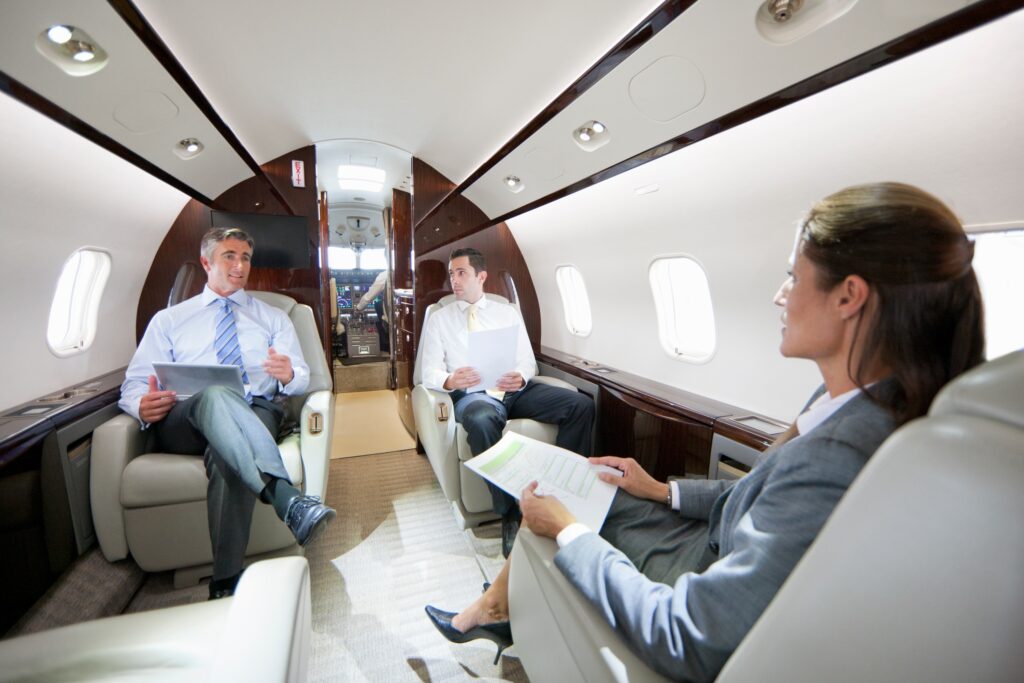
Having a private jet means dealing with big costs, like what you pay your flight crew.
Pilot salaries and benefits are key for jet owners. It’s important to hire skilled pilots to ensure safe and reliable flights.
Expenses for the crew include their salaries, benefits, and more.
Owners do background checks to make sure their crew is reliable.
Industry data shows crew costs can be high. Daily layover rates for each crew member can range from $400 to $500.
For frequent flyers, these costs can add up fast. It’s crucial to have a well-trained and well-paid crew for safe flights.