N905NA
Boeing 747-123 (Shuttle Carrier Aircraft) (SCA)
Boeing
10 Hours
Duration of Flight
4885 NM
Range
523 MPH
Max Speed

Gallery
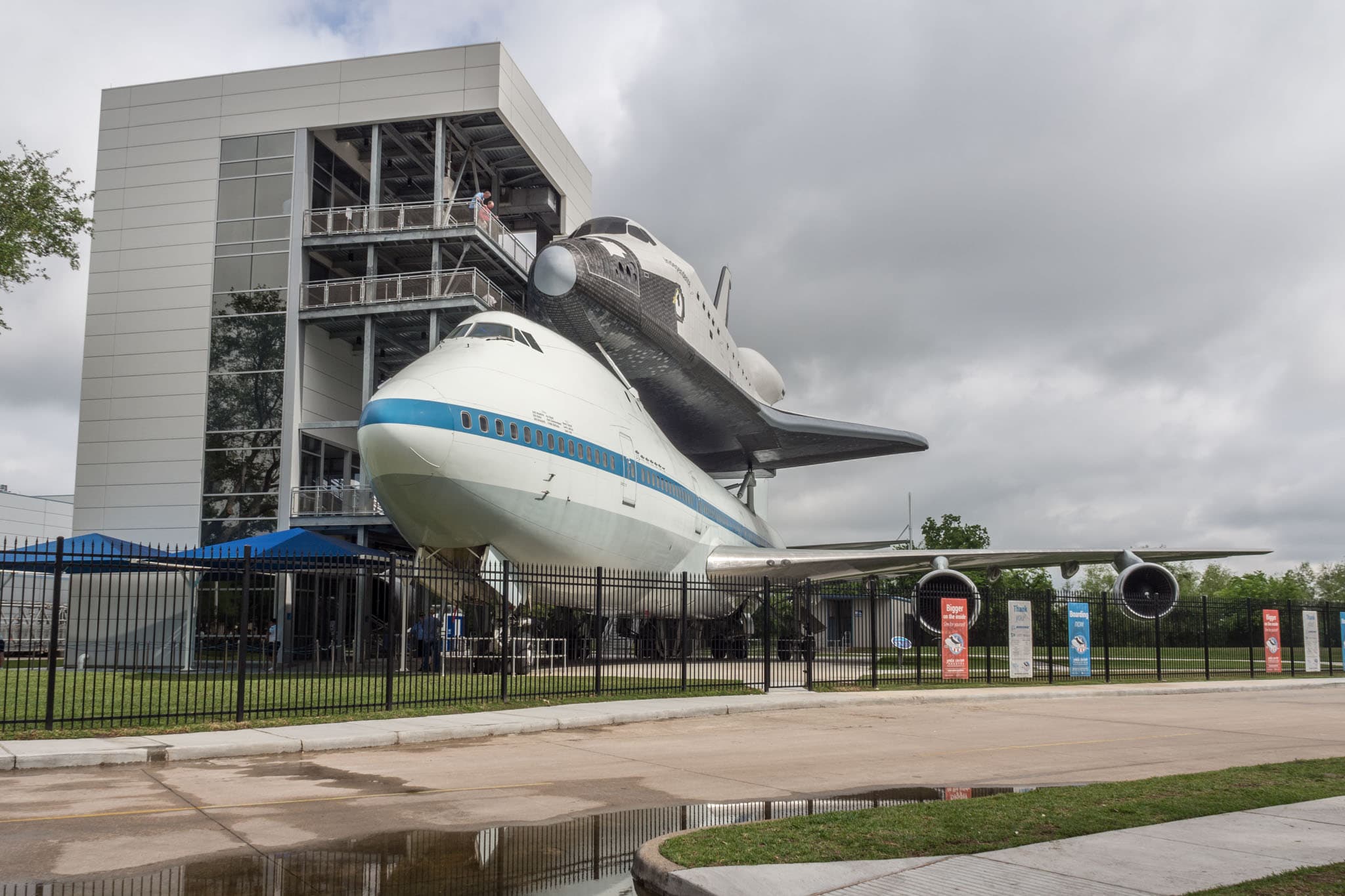
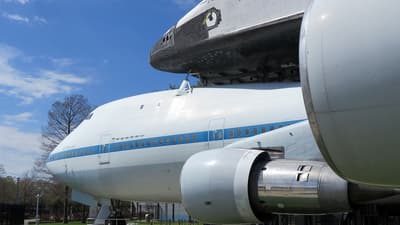
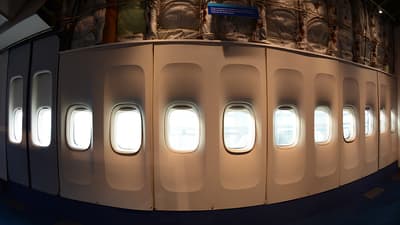


Basic Information
Airframe
Data valid as of 2023-05-12| Date | From | To | Flight Time | Status |
|---|---|---|---|---|
| 2012-04-27 | N/A | N/A | N/A | ✓ Landed |
| 2012-04-21 | N/A | N/A | N/A | ✓ Landed |
| 1977-08-12 | N/A | N/A | N/A | ✓ Landed |
| 2012-09-19 | N/A | N/A | N/A | ✓ Landed |
AI Summary
Boeing 747-123 (Shuttle Carrier Aircraft) (SCA)
Overview
Registered to National Aeronautics and Space Administration (Houston, TX). Certification class: Exhibition/Experimental; FAA certificate issued 1974-09-17; airworthiness date 1983-05-14.
Specifications
- Engines: 4× Pratt & Whitney JT9D-3A (43500 lbf each)
- Range: 4885 nm
- Cruise: 483 kts
- Seats: 495
- Ceiling: 45000 ft
Operations & Cabin
Main cabin stripped for Shuttle support (forward passenger seating retained historically for NASA); currently configured as museum exhibit with interactive displays and public access. Forward seating historically retained for NASA passengers; main cabin insulation and standard interior removed during SCA modification. Interior now fitted with interpretive exhibits for Independence Plaza.
Model & Market Context
The airframe bearing tail number N905NA is a Boeing 747-123 built in 1970 with manufacturer serial number 20107. It was acquired and operated by National Aeronautics and Space Administration (a government owner based in Houston, TX, US) and is registered in US registry records. This specific airframe is notable for having been a dedicated Shuttle Carrier Aircraft and, following retirement from ferry duties, was preserved and is currently configured as a museum exhibit with public access. Historic registry change and conversion actions reflect its transition from active large-cargo ferry operations to an exhibit platform.
The airframe was extensively modified for its role supporting the Space Shuttle: the main cabin was stripped for Shuttle support while forward passenger seating was retained historically for NASA operations and crew transport. Avionics and structural reinforcements were adapted to meet the unique aerodynamic and attachment loads of Shuttle ferry missions; routine mission profiles consisted of low-altitude transport, positioning, and ferry flights between Shuttle processing and display sites. Based at NASA facilities in Houston during its operational career, the aircraft required specialized maintenance and inspection regimes for its reinforced upper fuselage and attachment hardware. In its current role as a museum exhibit the interior is configured with interactive displays and public access, emphasizing education and preservation over transport capability.
The Boeing 747-123 is an early-production member of the 747 family, occupying the long-range, high-capacity niche that established the large widebody market. In performance terms its cruise speed and ceiling align with heavy intercontinental transports of its era; competitors historically included other early widebodies from manufacturers seeking long-range high-capacity platforms. On the secondary market, airframes with extensive mission-specific modifications—such as Shuttle carrier reinforcements or cabin removals—present limited resale potential for conventional operators and impose elevated maintenance and refurbishment costs compared with standard passenger-configured 747s.
Aircraft Comparison
| Parameter | N905NA | N1013A | N101TD |
|---|---|---|---|
| Serial Number (MSN) | 20107 | 30110 | 29273 |
| Year Manufactured | 1970 | 1999 | 1999 |
| Duration of Flight | 10 Hours | 13 Hours | 13 Hours |
| Range | 4885 NM | 5980 NM | 6085 NM |
| Max Speed | 523 MPH | 493 MPH | 473 MPH |
| Aircraft Class | Over 20,000lbs | Over 20,000lbs | Over 20,000lbs |
| Service Ceiling | 45000 ft | 43100 ft | 41000 ft |
| Max Passengers | 495 | 290 | 149 |
| Cabin Comfort | No items found. | No items found. | No items found. |