N306AL
Boeing 737-2T4C(Adv) (737-200C (Advanced / combi freighter))
Boeing
6 Hours
Duration of Flight
2600 NM
Range
N/A
Max Speed
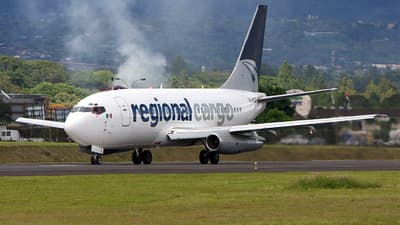
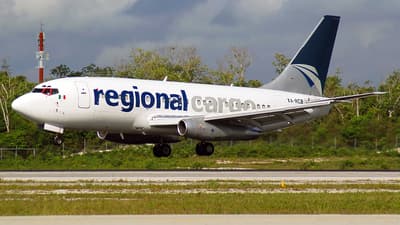
Gallery




Basic Information
Airframe
Data valid as of 2023-04-21No flight history available
Flight records for this aircraft have not been tracked yet.
AI Summary
Boeing 737-2T4C(Adv) (737-200C (Advanced / combi freighter))
Overview
Registered to TRANS EXECUTIVE AIRLINES OF HAWAII INC dba Transair (Honolulu, HI). Certificate issue date 2012-02-21; airworthiness date 2020-08-13. Registry entries indicate an active U.S. registration and Mode S hex A335A7.
Specifications
- Engines: 2× Pratt & Whitney JT8D-15 (15500 lbf each)
- Range: 2600 nm
- Cruise: 420 kts
- Seats: 134
- Ceiling: 37000 ft
Operations & Cabin
737-200C combi / cargo (combi/freighter conversion noted for Transair operations)
Model & Market Context
This entry describes the specific airframe bearing registration N306AL, a Boeing 737-2T4C(Adv) completed in 1983 with manufacturer serial number 23066. The airframe is owned by TRANS EXECUTIVE AIRLINES OF HAWAII INC DBA, a corporation based in Honolulu, HI, US, and is U.S.-registered. The airframe’s configuration and registry record reflect service as a combi/freighter conversion noted for Transair operations, and the operator base has been centered in Honolulu for the type’s inter-island and Pacific missions. No separate commercial valuation is published here; condition highlights include the long-service Pratt & Whitney JT8D powerplant pedigree and the aircraft’s continued use in combi cargo-passenger roles.
The airframe is configured as a 737-200C combi/cargo layout with a combi/freighter conversion noted for Transair operations, enabling flexible mixed passenger and freight carriage on the main deck. Typical mission profiles for this airframe include short to medium-range inter-island and regional transoceanic sectors where mixed payload flexibility and rugged field performance are required. Avionics fit is in line with Boeing 737-200 series standards of the era, with operator-specific modifications likely applied during the combi conversion and for compliance with U.S. registry requirements. Maintenance considerations for this specific aircraft emphasize JT8D hot-section and accessory upkeep, structural checks around combi door installations, and the continued availability of legacy spares for 1980s production-series airframes.
The Boeing 737-2T4C(Adv) represented an earlier-generation short-to-medium-haul jet platform tailored to high-frequency regional routes and combi operations; with a cruise of 420 kts and a range of 2,600 nm, it occupied a niche for operators needing mixed pax/cargo capability. Competing models historically included regional jets and turbofan narrowbodies offering improved fuel efficiency, but the 737-200 combi retained appeal where payload flexibility and robust field performance outweighed fuel burn considerations. Market demand for this specific airframe type is driven by niche cargo, charter and remote-route operators; resale and maintenance considerations hinge on airframe hours, JT8D supportability, and the condition of combi conversion modifications.
Aircraft Comparison
| Parameter | N306AL | N1013A | N101TD |
|---|---|---|---|
| Serial Number (MSN) | 23066 | 30110 | 29273 |
| Year Manufactured | 1983 | 1999 | 1999 |
| Duration of Flight | 6 Hours | 13 Hours | 13 Hours |
| Range | 2600 NM | 5980 NM | 6085 NM |
| Max Speed | N/A | 493 MPH | 473 MPH |
| Aircraft Class | Over 20,000lbs | Over 20,000lbs | Over 20,000lbs |
| Service Ceiling | 37000 ft | 43100 ft | 41000 ft |
| Max Passengers | 134 | 290 | 149 |
| Cabin Comfort | No items found. | No items found. | No items found. |