N269PH
N/A
Duration of Flight
N/A
Range
N/A
Max Speed
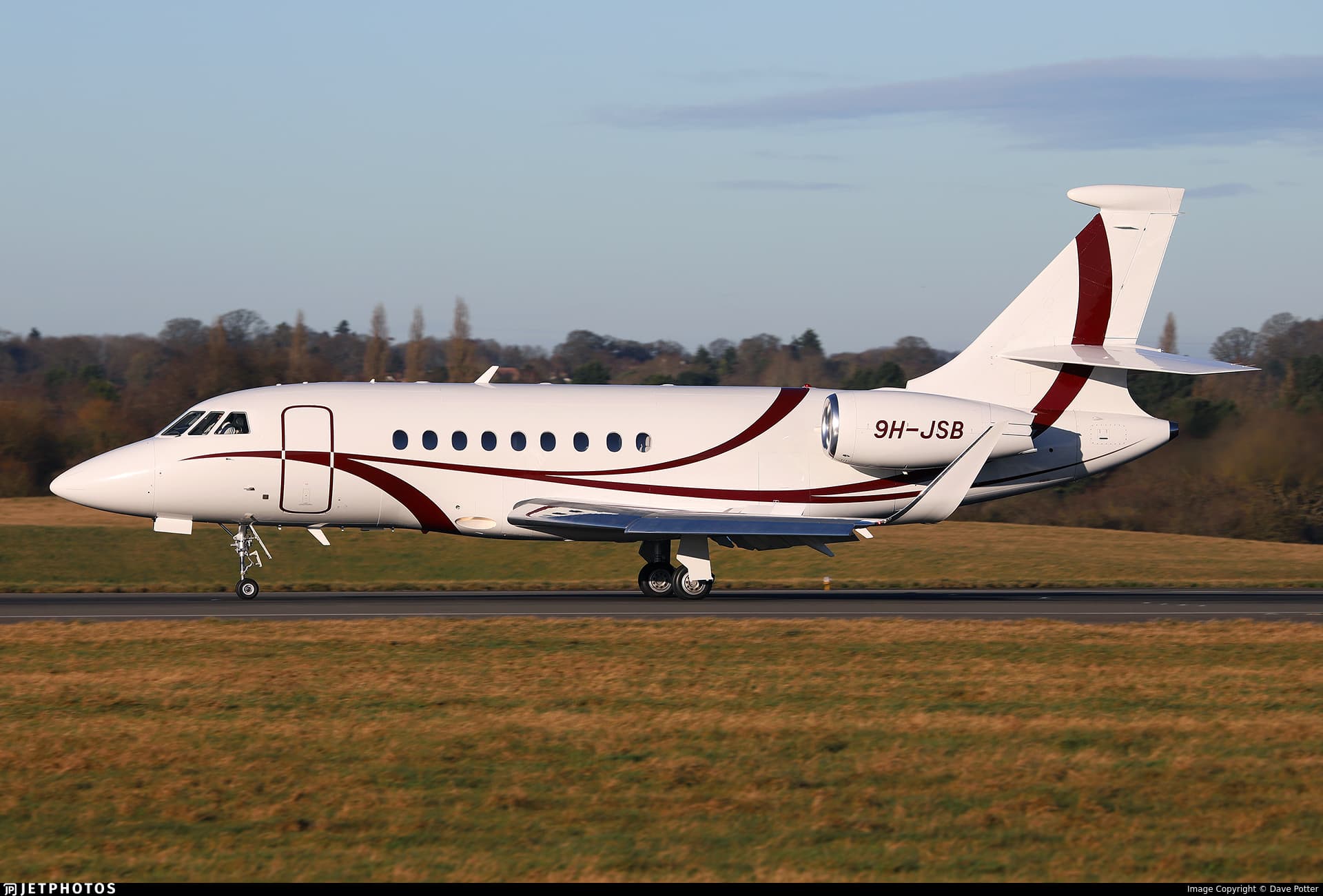
Gallery


Basic Information
Airframe
Data valid as of 2013-04-11No flight history available
Flight records for this aircraft have not been tracked yet.
AI Summary
Overview
Change of registration to N269PH recorded 2013-04-11 (owner: Robinson Nathan K, Miles City, MT). The N-mark has also been listed in corporate-jet compilations as mapped to a Dassault Falcon 2000LX/LXS (MSN 336), but that mapping is not confirmed in FAA records.
Specifications
- Seats: 3
Operations & Cabin
For the Hughes 269C: 2–3 place trainer/utility layout. For Falcon 2000LXS (MSN 336): typical 10‑passenger executive layout (forward club, mid divan). Avionics: Honeywell EASy II (associated with Falcon 2000LXS configurations)
Model & Market Context
This airframe carries registration N269PH and was built in 1981, bearing serial number 411030. The aircraft is registered in the US and is registered to Robinson Nathan K, an individual owner based in Miles City, MT, US. Public data for this specific tail emphasizes the small, owner-operated nature of the asset, with a three-seat configuration and no published corporate operator history. There are no additional documented registry actions or published valuation details in the supplied dataset.
The supplied cabin descriptions identify a short-configured trainer/utility layout consistent with a 2–3 place arrangement; for this airframe the applicable description is the Hughes 269C-style 2–3 place trainer/utility layout, matching the three-seat registration. Avionics information in the data set references Honeywell EASy II as associated with Falcon 2000LXS configurations; while that specific avionics suite is noted in the dataset, there is no direct linkage published here between N269PH and a Falcon-class fit. Typical missions implicit in a 2–3 place trainer/utility cabin are short-range training, local utility tasks, and owner/operator flights from a home base such as Miles City, MT, US. Maintenance considerations for small owner-operated three-place aircraft commonly emphasize frequent event-based inspections and component support appropriate to trainer/utility duty cycles; no specific maintenance records are included in the supplied data.
The dataset juxtaposes two distinct cabin archetypes—small trainer/utility (2–3 place) and a separate Falcon 2000LXS executive layout—underscoring that the airframe in question occupies the lower-capacity, utility/trainer niche. Aircraft in this segment typically compete on operating economy, simplicity, and low acquisition cost versus larger executive types; demand is driven by private owners, schools, and light utility operators. Resale and maintenance considerations for three-seat trainer/utility airframes emphasize component availability and logbook continuity; no specific market value or resale history is provided for N269PH in the supplied information.