N140SC
Lockheed L-1011-385-1-15 TriStar 100 (TriStar 100 (L-1011-1))
Lockheed Corporation
5 Hours
Duration of Flight
2680 NM
Range
539 MPH
Max Speed
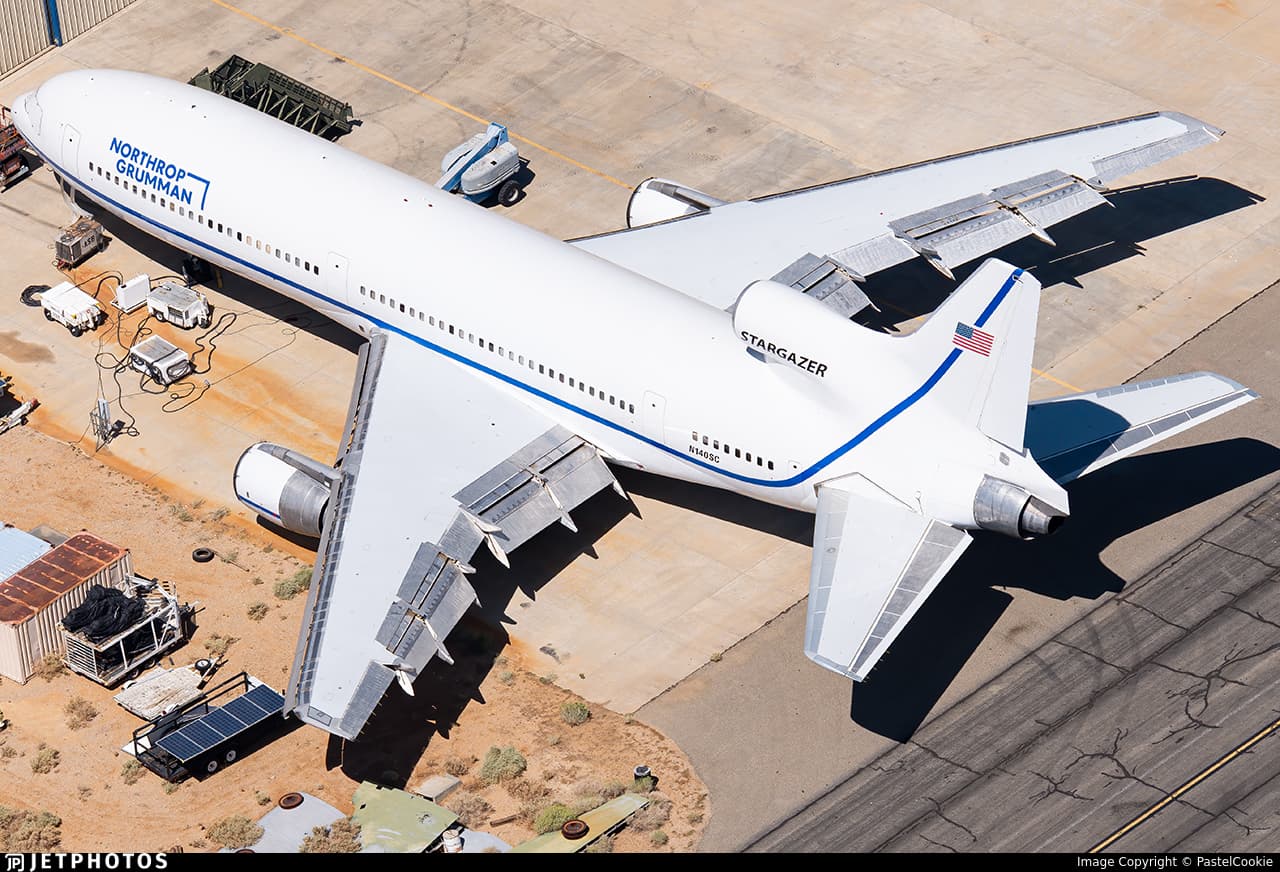
Gallery

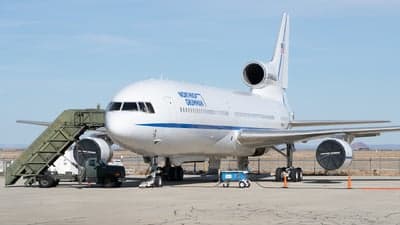
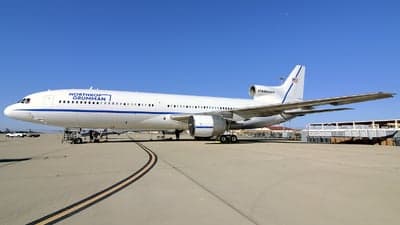


Basic Information
Airframe
Data valid as of 2021-04-01| Date | From | To | Flight Time | Status |
|---|---|---|---|---|
| 2025-10-12 | N/A | N/A | N/A | ✓ Landed |
| 2024-10-19 | N/A | N/A | N/A | ✓ Landed |
| 2024-04-21 | N/A | N/A | N/A | ✓ Landed |
| 2020-08-18 | N/A | N/A | N/A | ✓ Landed |
AI Summary
Lockheed L-1011-385-1-15 TriStar 100 (TriStar 100 (L-1011-1))
Overview
1974 Lockheed L-1011-385-1-15 TriStar 100 (MSN 193E-1067). Registered to Orbital Sciences LLC (Mojave, CA). Certificate issued 2021-04-01; airworthiness date 2014-10-07; last action 2021-04-01; listed expiration 2024-04-30.
Specifications
- Engines: 3× Rolls-Royce RB211-524B4 (49120 lbf each)
- Range: 2680 nm
- Cruise: 520 kts
- Seats: 358
- Ceiling: 42000 ft
Operations & Cabin
Modified for Pegasus air-launch operations / mission support (passenger cabin largely reconfigured) Mission-modified interior and systems for payload integration and support; not a standard passenger layout
Model & Market Context
This entry documents the airframe registered as N140SC, a Lockheed-built widebody first delivered in 1974 with manufacturer serial number 193E-1067. The aircraft is owned by Orbital Sciences LLC, a corporation based in Mojave, CA, US, and is registered in the US. Over its life the airframe has been notable for being modified for Pegasus air-launch operations and mission support, a role that prompted a largely reconfigured passenger cabin and specialized mission support capability.
The cabin of N140SC was extensively altered from a standard passenger layout and is described as modified for Pegasus air-launch operations / mission support, with the passenger cabin largely reconfigured to support payload handling, mission crews, and associated equipment rather than conventional airline seating. Avionics and mission systems are likely tailored to support airborne launch procedures and the specialized communications and navigation tasks such operations require. Based at Mojave under ownership of Orbital Sciences LLC, typical mission profiles for this airframe would center on high-altitude ferry and launch sorties within the aircraft’s operational range and ceiling, supporting air-launch campaigns and associated flight-test work. Maintenance considerations reflect its multi-role configuration: structural and systems inspections must cover both legacy passenger transport systems and mission-specific modifications introduced to support airborne launch operations.
The airframe is a version of the Lockheed L-1011-385-1-15 TriStar 100, a three-engine widebody designed in the early 1970s to serve medium- to long-range trunk routes with a high-capacity cabin. In the market, TriStar-series aircraft occupy a niche for specialized conversions and long-term freighter or mission support use rather than primary passenger airline service; their three-engine layout and mature systems make them suitable for unique roles such as airborne launch platforms. Buyers and operators of TriStars typically weigh the costs of sustaining older airframes, parts availability, and heavy maintenance against the aircraft’s capability for conversion and its payload/volume advantages over contemporary narrowbodies.
Aircraft Comparison
| Parameter | N140SC | N31019 | N814NA |
|---|---|---|---|
| Serial Number (MSN) | 193E-1067 | 193B-1066 | 1329-5003 |
| Year Manufactured | 1974 | 1974 | 0 |
| Duration of Flight | 5 Hours | 8 Hours | 6 Hours |
| Range | 2680 NM | 4250 NM | 2604 NM |
| Max Speed | 539 MPH | 539 MPH | 476 MPH |
| Aircraft Class | Over 20,000lbs | Over 20,000lbs | Over 20,000lbs |
| Service Ceiling | 42000 ft | 42000 ft | 43000 ft |
| Max Passengers | 358 | 358 | 8 |
| Cabin Comfort | No items found. | No items found. | No items found. |