N717DH
Dassault Falcon 10 (current) / Boeing 727-23F (historic) (23F (historic))
Dassault Aviation (current) / The Boeing Company (historic)
5 Hours
Duration of Flight
2150 NM
Range
549 MPH
Max Speed
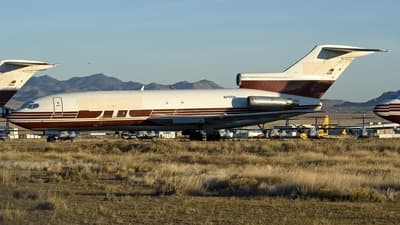
Gallery


Basic Information
Airframe
Data valid as of 2025-11-26| Date | From | To | Flight Time | Status |
|---|---|---|---|---|
| 2025-10-01 | N/A | N/A | N/A | ✓ Landed |
| 2025-10-01 | N/A | N/A | N/A | ✓ Landed |
AI Summary
Dassault Falcon 10 (current) / Boeing 727-23F (historic) (23F (historic))
Overview
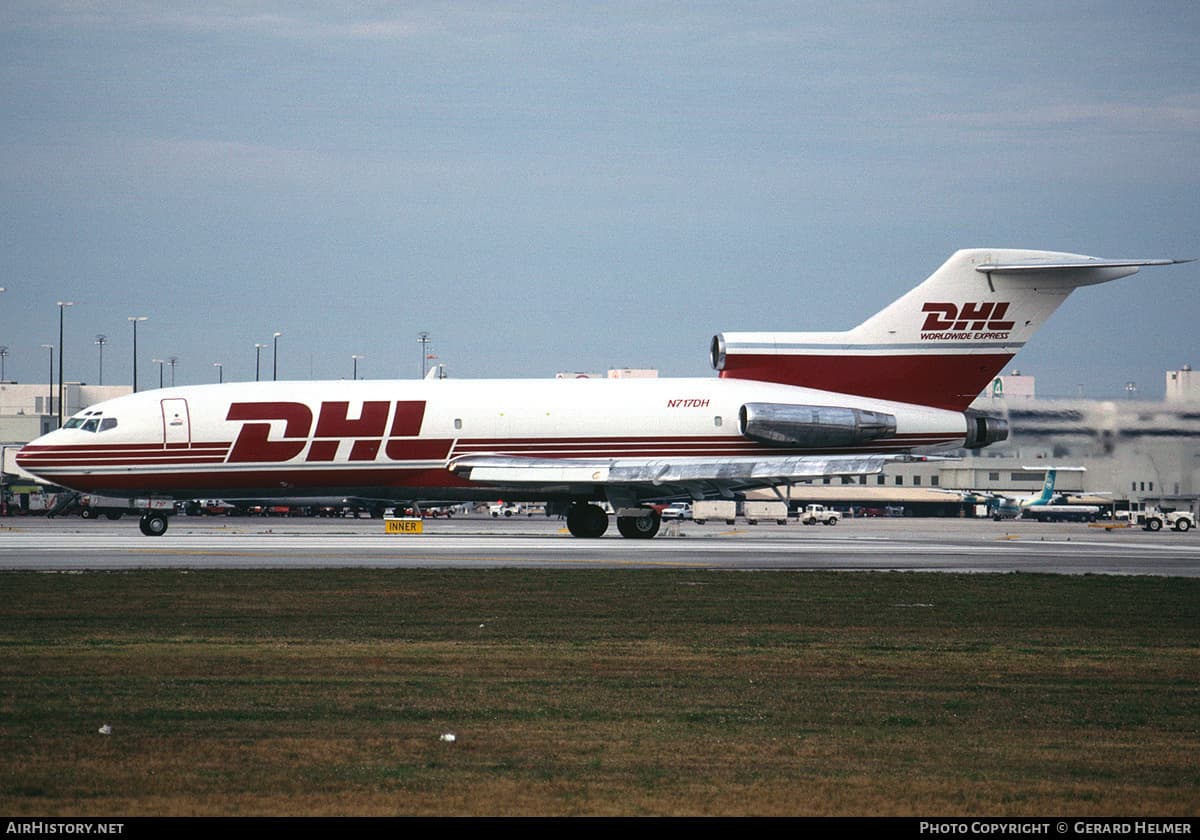
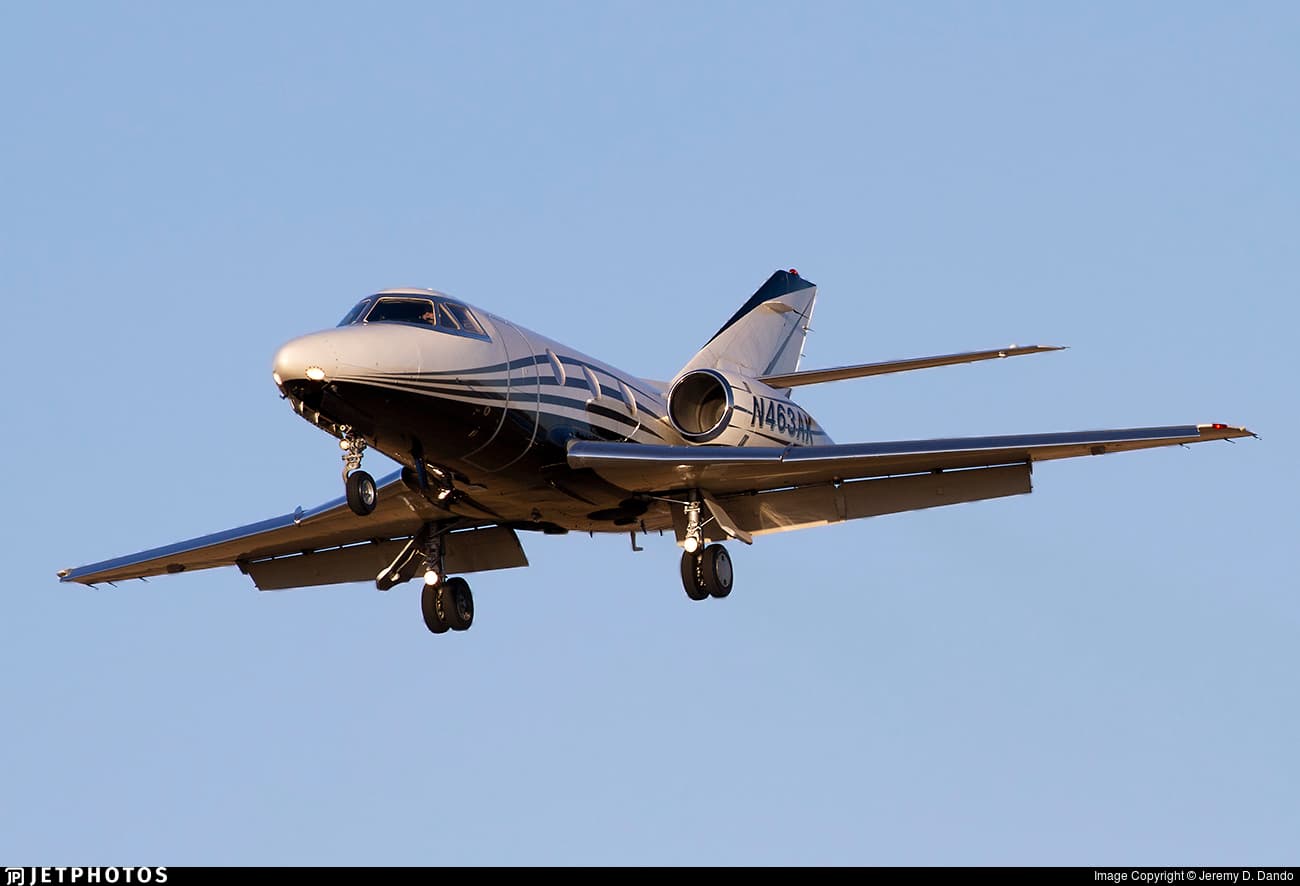
US N-number N717DH: historically assigned to Boeing 727-23F (MSN 19389) operated by DHL; the N-number was later reassigned and in 2025 appears in active use on a Dassault Falcon 10 (FA10 type-code).
Specifications
- Engines: 3× Pratt & Whitney JT8D-7B (historic 727); Dassault/Falcon turbofan(s) for current FA10 not specified (14000 lbf each)
- Range: 2150 nm
- Cruise: 430 kts
- Ceiling: 43000 ft
Model & Market Context
This airframe, registered as N717DH, was built in 1966 and carries serial number 19389. It has a layered history that includes historic operation as a Boeing 727-23F manufactured by The Boeing Company and later operation as a Dassault Falcon 10 under Dassault Aviation designation in its current configuration. The airframe’s ownership timeline reflects notable role changes from a tri-jet freighter profile to a fixed‑wing multi-engine business/utility configuration; specific registry actions and sale dates are not published. The aircraft is US-registered and its condition and valuation summaries are not published in available data.
As recorded for this specific airframe, operational use has encompassed both freighter-style missions and later business or utility roles consistent with Dassault Falcon 10 practice. Cabin layout and seat count for the current Falcon 10 configuration are not published; typical Falcon 10 cabins are compact, favoring short-haul executive transport or light cargo/mission fits. Avionics fit for this airframe is not specified in the data provided, though operators commonly upgrade older airframes to modern navigation and communication suites. Typical routes for a Falcon 10 of this performance class include regional and continental missions within the stated range, operating from operator bases within the United States; maintenance considerations reflect the mixed heritage of an airframe initially produced in the 1960s with subsequent type-specific modification or reconfiguration.
The airframe’s dual identity—historic Boeing 727-23F lineage and current Dassault Falcon 10 operation—places it at an intersection of markets: the Falcon 10 family occupies a light business-jet niche characterized by moderate range and high cruise speed for short to medium sectors, while the 727 represented a medium-capacity tri-jet airliner/freighter platform. Competing models for the Falcon 10 include light business jets offering similar cruise speeds and regional range. Prospective buyers and operators of such an airframe must weigh legacy maintenance implications from 1960s production against the value of conversions or avionics updates; resale considerations are similarly influenced by provenance, modification history, and current certification status.